

Food can tell stories. Some whisper comfort, some shout celebration — and Middle Eastern food does both. It’s food that fills the air before it fills the plate. The smell of cumin warming in oil, the faint sweetness of roasted garlic, and the squeeze of lemon that wakes everything up. Middle Eastern dishes have this rare ability to feel homey and exotic at the same time. They’re earthy, vibrant, and meant to be shared. You can’t eat Middle Eastern food quietly — it’s the kind that brings people together.
What makes Middle Eastern dishes stand out is the balance. Every plate is a conversation between texture and flavour. Crispy falafel next to silky hummus. Grilled meats wrapped in soft flatbread. A bright salad cutting through rich, spiced lamb. You’ll rarely find overpowering heat here—instead, it’s layers of warmth from spices like cinnamon, cumin, and sumac. The food doesn’t rush you; it invites you to sit, talk, and keep eating long after you said you were full.
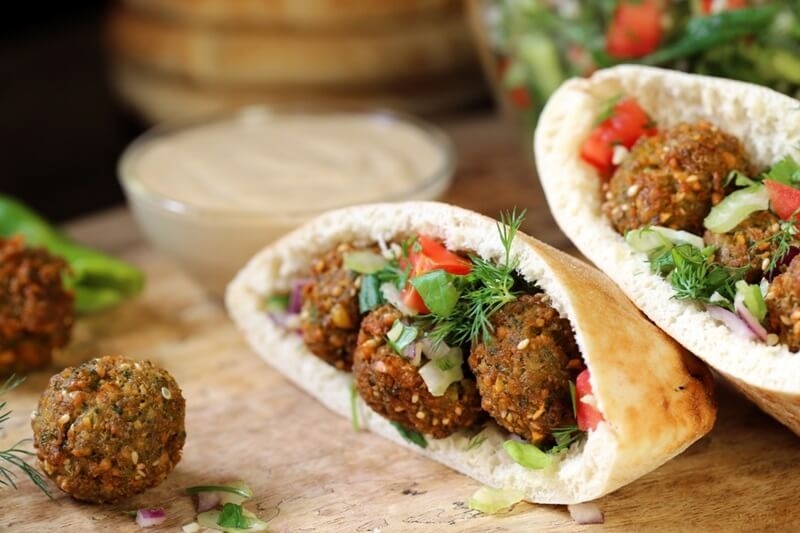
You can’t talk about Middle Eastern food without mentioning falafel. It’s everywhere — in stalls, cafés, and family kitchens. A good falafel recipe feels almost meditative. It starts with soaked chickpeas, never canned. Add fresh parsley, cilantro, onions, and garlic, then pulse until it’s grainy, not pasty. A spoonful of cumin and coriander brings that warm, nutty undertone. The key? Chill the mixture before frying. It keeps the falafel crisp and light, not greasy. The smell alone — that deep, savory aroma — is enough to make you hungry again, even if you just ate.
Serve it wrapped in pita with pickles and tahini sauce. Or just line them up next to hummus and salad, still steaming. Falafel isn’t fancy, but it’s the kind of food that never lets you down.
Hummus might be simple, but it’s endlessly forgiving — and that’s why people love it. A classic bowl uses chickpeas, tahini, lemon, and garlic. But once you’ve nailed that base, you’ll find endless hummus variations to play with. Add roasted red peppers for a smoky twist. Try beetroot for color and sweetness. Even avocado hummus has found a home on some tables now. What matters most is texture — smooth, creamy, and rich, not dry or grainy.
Serve it with olive oil pooling in the center, maybe a sprinkle of paprika or sesame seeds. It’s comfort food that doubles as an appetizer, snack, or even dinner when you’re too tired to cook anything else.
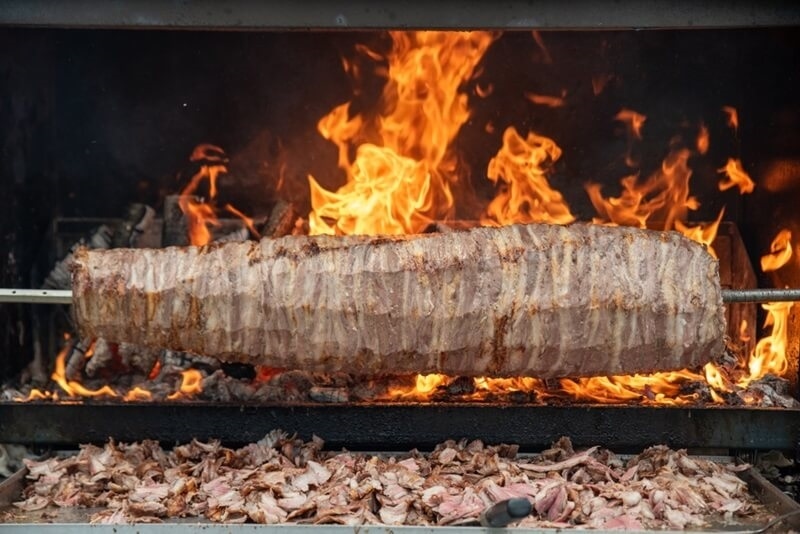
If falafel is the heartbeat of Middle Eastern street food, shawarma wraps are its melody. Every city, every vendor, does it differently — but the rhythm stays the same. Thin slices of marinated meat, slow-cooked on a vertical rotisserie until tender, smoky, and a little crispy at the edges. Chicken, lamb, or beef — it doesn’t matter as long as it’s juicy.
At home, you can fake it beautifully. Marinate the meat overnight with yogurt, garlic, cumin, lemon, and a hint of cinnamon. Grill or roast it until golden, then wrap it in flatbread with tahini or garlic sauce, pickled cucumbers, and maybe a handful of fries if you want to be traditional about it. It’s not just food — it’s a hug you can eat.
After all the richness, you need something bright to wake your palate. That’s where tabbouleh salad comes in — a refreshing mix of chopped parsley, mint, tomatoes, and bulgur, all tossed in lemon and olive oil. The secret? The herbs aren’t garnish; they’re the star. You want more green than grain, more zing than salt. It’s simple, sure, but it has this way of cutting through heavier dishes and tying the whole meal together.
Serve it cold. Serve it often. And don’t be shy with the lemon juice.
If there’s one concept that defines Middle Eastern hospitality, it’s mezze. A mezze platter is basically happiness on a table — a collection of small plates meant for nibbling, chatting, and passing around. For easy mezze platter ideas, start with hummus, baba ganoush (roasted eggplant dip), labneh (thick strained yogurt), olives, and warm pita. Then add falafel, stuffed grape leaves, or roasted nuts.
What makes mezze special isn’t perfection. It’s the pace. It’s laughter, conversation, and that familiar chorus of “just one more bite.” Every culture has its version of shared food, but mezze feels particularly generous — no main dish stealing the spotlight, just everyone eating together.
The Middle East’s culinary landscape is vast. Beyond hummus and falafel lies a universe of flavors. Try mujadara — lentils, rice, and caramelized onions that smell like heaven and taste even better. Or kofta, spiced meatballs grilled until smoky. There’s fattoush, a salad with crispy pita pieces and sumac that tastes like summer. And manakeesh, flatbread brushed with olive oil and sprinkled with za’atar — thyme, sesame, and sumac mixed together. Every country adds its touch, but the heartbeat is the same: fresh ingredients, balanced flavors, and generosity.
Here’s the thing about Middle Eastern cooking — it’s never about heat; it’s about warmth. Cinnamon, cumin, and coriander don’t scream; they hum. Sumac adds a lemony sharpness, while paprika brings color more than fire. You can build a small spice rack and still cook half the dishes in this region. Once you start cooking with these blends, even your kitchen will smell different — earthy, comforting, a little bit wild.
If you’re new to the cuisine, make a basic blend at home: equal parts cumin, coriander, paprika, and a hint of cinnamon. It works on everything — grilled meat, roasted veggies, even eggs.
Pita bread isn’t a side — it’s the tool that makes eating joyful. Tear it, scoop, fold, repeat. Fresh pita puffed from the oven is the dream, but store-bought works fine if you warm it right. Flatbreads like khubz or lavash are common too — chewy, soft, and perfect for wrapping falafel or soaking up leftover hummus. Bread is your fork, spoon, and plate, all in one.
Here’s a little secret — cooking Middle Eastern food at home is far easier than it looks. You can make a whole spread with just a few pantry items. A reliable falafel recipe, a bowl of creamy hummus, a zesty tabbouleh salad, and some marinated chicken for shawarma wraps — and you’ve got a feast. Add a few mezze platter ideas to fill in the gaps, and you’ll impress guests without breaking a sweat. Most recipes are flexible, so don’t panic about measurements. Taste as you go. That’s how home cooks across the region do it.
If there’s a single ingredient that defines this cuisine, it’s olive oil. Not just as a cooking medium, but as a flavor in its own right. It’s poured generously over hummus, used in marinades, and drizzled on salads. A good olive oil adds warmth and silkiness to dishes. The best part? It’s healthy too — heart-friendly and full of good fats. No wonder it’s at the center of every meal.
Middle Eastern desserts aren’t just sweet — they’re poetic. Baklava, with its layers of phyllo and honey, tastes like indulgence itself. Ma’amoul, filled with dates and nuts, feels festive. And kunafa, all syrup and cheese, is the grand finale. Each dessert feels ancient, rooted in tradition, made to be savored with tea or coffee while conversations linger. They’re rich, yes, but never heavy. Sweetness here is about pleasure, not excess.
Hospitality isn’t a performance in the Middle East — it’s instinct. You never visit someone without being offered food, even if it’s just coffee and dates. Hosting at home doesn’t need perfection. Just prepare what you can, serve it beautifully, and let your guests feel relaxed. A big mezze platter, a few shawarma wraps, and bowls of dips will do. Add warm bread and mint tea, and you’ve recreated the heart of Middle Eastern dining: abundance without pretense.
Middle Eastern food has this beautiful way of erasing distance. It brings people closer — through passing plates, shared bites, and laughter that lasts long after dessert. Recipes travel through families like heirlooms, always a little different but always familiar. Cooking these dishes at home connects you to that same rhythm. It’s not about getting every spice ratio right; it’s about sharing something that feels real.
Middle Eastern cooking is about generosity, patience, and flavor that tells a story. From mastering a simple falafel recipeto exploring colorful hummus variations, or layering your first shawarma wraps, you’ll discover that this cuisine is less about precision and more about joy. Add freshness with a tabbouleh salad, play around with mezze platter ideas, and soon your kitchen will smell like cumin, garlic, and warmth — the universal language of comfort. The beauty of this food is that it doesn’t ask for perfection. It asks you to sit down, eat slowly, and share it with someone. And honestly, that’s the best recipe of all.
This content was created by AI