

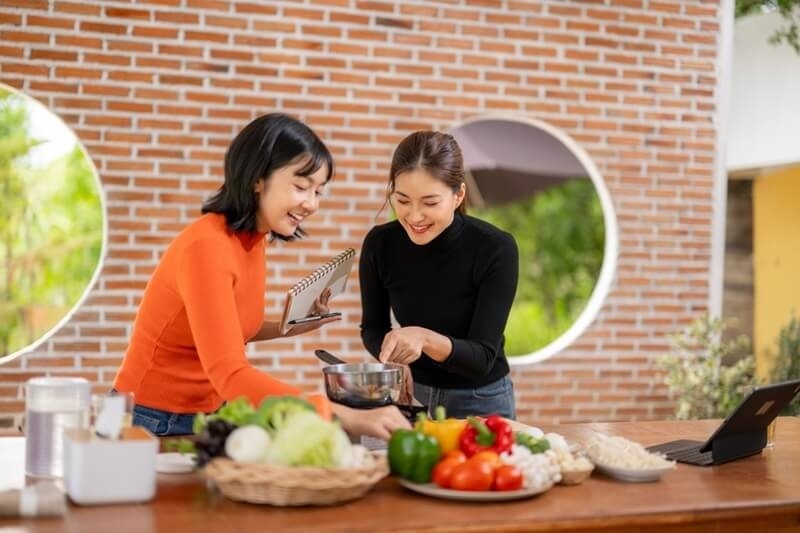
Most people think Japanese food starts and ends with sushi. But walk into any Japanese home, and you’ll find something else entirely — warmth, balance, and a sense of comfort that tastes like family. Japanese home cooking isn’t about restaurant-style perfection; it’s about harmony. Simple ingredients, honest flavors, and meals that nourish body and soul.
The kind of food that makes you exhale after a long day. Curious to try it at home? You don’t need fancy knives or rare ingredients. Just a little curiosity, some basic staples, and a willingness to slow down and enjoy the process.
So, what exactly defines Japanese home cooking? It’s less about presentation and more about balance. Every meal usually includes a mix of rice, soup, a main dish, and a few sides — together known as ichiju-sansai (one soup, three dishes). The goal is to blend colors, textures, and flavors — salty, sweet, sour, and umami. You’ll often find small portions of pickles, grilled fish, tofu, or vegetables seasoned with soy, miso, or sesame. It’s not heavy or overly spiced, but somehow deeply satisfying.
Let’s talk about sushi making basics first because everyone loves sushi, right? The secret isn’t in the fish — it’s in the rice. Perfect sushi rice should be slightly warm, sticky but not mushy, and seasoned with a delicate mix of rice vinegar, sugar, and salt. When rolling sushi, less is more. Too much filling or rice, and it falls apart. The beauty of homemade sushi is flexibility — you can use cooked shrimp, avocado, tofu, or even canned tuna. Sushi at home doesn’t need to look perfect; it just needs to taste honest.
Ramen isn’t just a quick college meal; it’s Japan’s ultimate comfort food. There are many easy ramen recipes you can make without spending hours on broth. Start with instant noodles if you want, but build on them — add miso, soy sauce, or chicken stock to deepen the flavor. Toss in boiled eggs, green onions, leftover roast chicken, or sautéed mushrooms. A little sesame oil goes a long way. Ramen at home should feel personal — like your own version of a warm hug in a bowl.
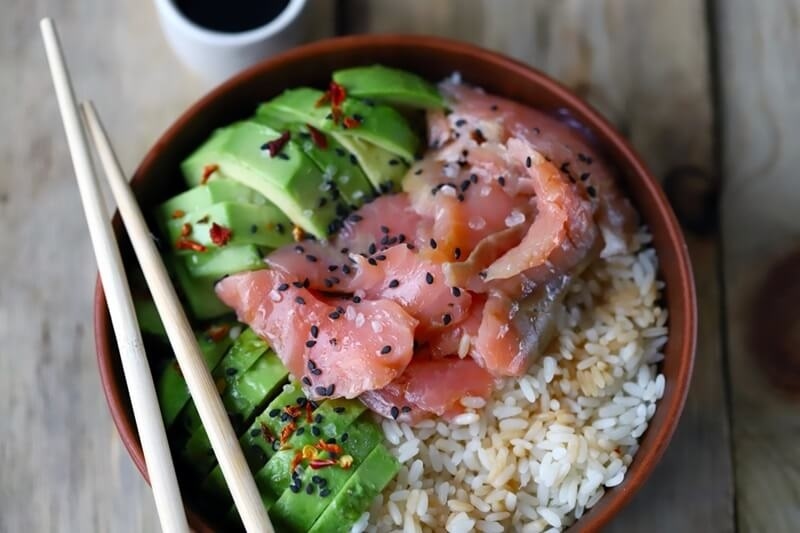
Few things hit the spot like a well-made donburi (rice bowl). Japanese rice bowl meals are the backbone of everyday cooking. Think of it as comfort food layered in a bowl — rice at the bottom, savory topping on top. Gyudon (beef bowl) with sweet soy sauce and onions is a classic. Oyakodon, chicken and egg simmered together, is the definition of cozy. Even leftover stir-fry or grilled fish can become donburi with a drizzle of sauce. The magic is in the balance: warm rice, flavorful protein, and something crunchy on the side.
If Japan had a national comfort dish, it would be miso soup. Every home has its own version, and no two taste the same. A good miso soup guide starts with dashi — a clear broth made from kelp and bonito flakes. Then comes miso paste, whisked gently so it doesn’t clump. Add tofu, wakame (seaweed), or scallions for a traditional touch. The secret is restraint. Miso soup should never overpower the rest of the meal. It’s like background music — subtle, soothing, and essential.
Nothing impresses guests like homemade tempura — golden, airy, and light enough to eat without guilt. A traditional tempura recipe starts with cold batter (ice water is key) and minimal mixing. You want a few lumps; that’s what keeps it crisp. Dip shrimp, pumpkin slices, mushrooms, or green beans, then fry them quickly in hot oil until pale gold. The trick? Don’t overcrowd the pan. Tempura isn’t just about crunch; it’s about texture that melts as you chew. Serve it with tentsuyu sauce — a mix of soy, dashi, and mirin — for an authentic touch.
You don’t need an entire Asian grocery store to cook Japanese meals. A few essentials go a long way. Keep soy sauce, miso paste, rice vinegar, mirin, and dashi powder in your pantry. Add sesame oil, bonito flakes, and short-grain rice. These staples will cover 90% of home recipes. Once you have them, everything else — from stir-fries to soups — becomes simple. Cooking Japanese food is like jazz: once you know the notes, you can improvise.
Japanese cuisine isn’t strict — it’s intuitive. Each meal aims for balance, not excess. If one dish is salty, another should be mild. If something is deep-fried, balance it with pickled vegetables or light soup. This philosophy makes meals feel whole, even in small portions. Try plating on smaller dishes; it naturally encourages mindfulness while eating.
Not every dinner has to be elaborate. Some of the best Japanese comfort meals are made from leftovers. Turn cold rice into fried rice with soy and eggs. Mix miso paste into butter for a quick glaze on corn or fish. Boil vegetables and drizzle with sesame dressing (goma-ae). The joy of Japanese food lies in its simplicity. It’s not about following recipes perfectly — it’s about creating harmony on your plate.
Japanese food celebrates the seasons like few others. Spring brings bamboo shoots and sakura rice. Summer means cold noodles and light tofu salads. Autumn is for mushrooms and chestnut rice. Winter is hotpot season — nabe bubbling at the center of the table. This seasonal rhythm keeps meals exciting and connected to nature. Even in a modern kitchen, cooking with the seasons makes you feel more grounded.
Umami — that elusive “fifth taste” — is the foundation of Japanese cooking. Miso, soy sauce, and dashi are the holy trinity. They add depth without heaviness. Even a spoonful can change everything. Add miso to marinades, soy to soups, or dashi to vegetables. These ingredients create harmony, not competition, between flavors. They’re the reason a simple broth feels like something you’ve tasted a hundred times but never get tired of.
Bento boxes aren’t just for kids or office lunches — they’re a lesson in balance. A typical bento includes rice, protein, vegetables, and something pickled. It’s both visual and practical — each section offering a different texture or flavor. Making bento teaches portion control without feeling restrictive. You eat with your eyes first, and bento is proof that beauty enhances taste.
At its heart, Japanese home cooking is about connection — between ingredients, seasons, and people. You don’t need years of training or rare tools to make it work. Begin with rice, miso soup, and one main course. Find the right rhythm by balancing sweet and salty, and bright and tranquil. You'll soon become used to terminology like dashi and donburi.
You will find that food, like life, tastes better when it is balanced, whether you are learning how to make Japanese rice bowls, looking for quick ramen recipes, or attempting a classic tempura dish. So, get your chopsticks, fill a bowl with soup, and enjoy the simple pleasure of cooking Japanese-style, where simplicity always seems like home.
This content was created by AI